How Much Is Your Diffuser Buildup Costing You? The Real Price of Unplanned Cleandowns
Executive Summary
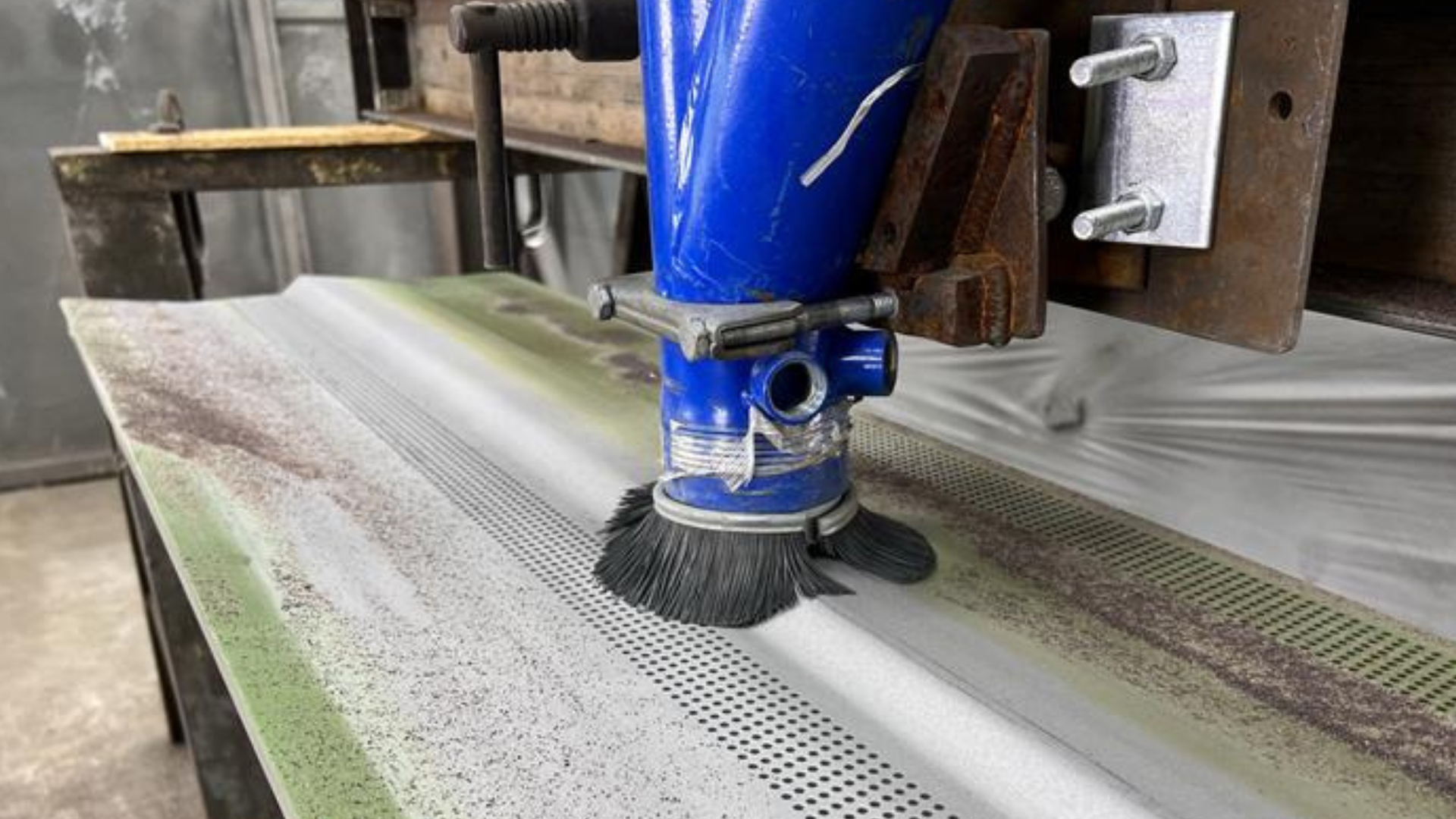
It’s midweek during production, and your diffuser is coated in sticky fibers and debris. Steam flow drops. You face a tough decision: keep running with quality issues or shut down for unscheduled cleaning.
Most mill operators accept buildup as a routine part of maintenance. But that choice comes at a real cost. Lost production, wasted energy, and persistent quality problems all add up. The cost is bigger than most realize, and it can be avoided.
The True Cost of Diffuser Buildup
Diffuser buildup does far more than reduce efficiency. It creates a ripple effect, increasing costs throughout your operation.
1. Lost Production During Cleandowns
Most mills schedule eight to twelve cleanings annually. Each one pulls your system offline for four to eight hours. With production margins of two hundred to five hundred dollars per hour, every event causes eight thousand to fifteen thousand dollars in lost revenue. In a year, that adds up to about forty thousand to one hundred five thousand dollars.
2. More Energy Wasted from Poor Steam Flow
When steam holes clog, the system compensates by boosting pressure. Over time, this adjustment quietly drives up utility bills. Most mills pay five to eight percent more every year, or fifteen thousand to thirty thousand dollars.
3. Uneven Moisture and More Waste
Restricted steam alters sheet moisture, causing product rejects, complaints, and damaged goods. Moisture problems cost two to four percent of annual output. Coated diffusers can cut this waste by up to sixty percent, saving twenty thousand to fifty thousand dollars.
4. Extra Wear and Equipment Stress
Every shutdown increases mechanical stress. Uncoated diffusers need replacing every five to seven years, adding another layer of capital expense.
Total average cost for most mills is seventy-five thousand to one hundred eighty-five thousand dollars every year. For many, it is money lost without a budget entry, just a repeating maintenance cycle that often goes unnoticed.
Why Buildup Happens
The fundamental issue is not a maintenance mistake, it is the environment. Diffusers run in a fiber-heavy, humid setting. Sticky residues cling to metal surfaces and harden with time. Routine cleaning quickly becomes a major project.
Most traditional cleaning tackles the symptoms, not the cause. You clean, restart, accumulate buildup, and schedule downtime all over again. Without surface protection, this cycle never ends.
What Changes When Buildup Stops
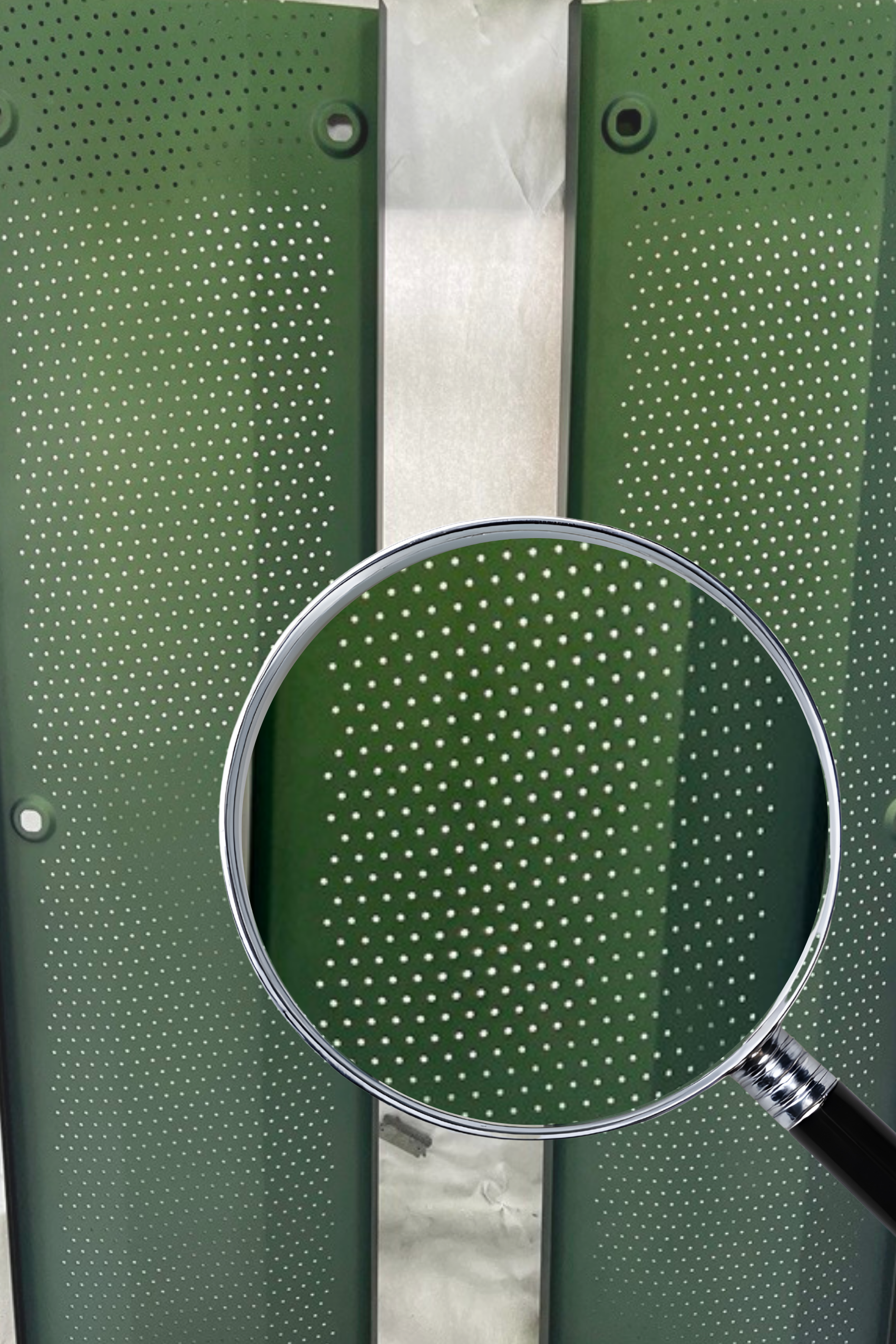
Now consider a diffuser surface designed to repel the fibers and adhesives that create the mess. Fluoropolymer coatings accomplish exactly this.
Buildup releases easily and less frequently, reducing deep cleans from eight to twelve times each year to just three to five. Steam flow remains steady. The moisture profile stays consistent and quality improves. Waste drops, energy use stabilizes, and equipment lasts longer. Mills using coated diffusers see these results firsthand.
Taking Action
If your mill needs eight or more full cleans each year, you are missing out on real savings.
Step 1: Measure and Document Your Baseline
Record how many annual cleandowns you perform, your downtime cost per hour, and total energy spend for steam. These numbers make return on investment simple to calculate.
Step 2: Focus on High-Impact Equipment
You do not need to coat every diffuser at once. Target those with the most frequent buildup for immediate return.
Step 3: Build Your Business Case
Plug your real numbers into the calculations above. Most mills find the business case for coatings is clear once costs are fully calculated.
The Bottom Line
The Bottom Line
Diffuser buildup is not inevitable, it is expensive. Mills switching to coated diffuser technology save between seventy-five thousand and one hundred eighty-five thousand dollars each year and free up maintenance teams for higher value work.
The real question is not if coated diffusers work, it is whether you are ready to stop accepting needless loss and start recovering more value from your production line.
Want a tailored return on investment calculation?
Reach out to discuss your mill’s profile, metrics, and implementation options. Aegis Advanced is ready to help you shift from managing costs to improving your operating performance.
Aegis Advanced is a precision applicator of high-performance industrial coatings engineered to maximize equipment uptime, reduce wear, and eliminate costly buildup. A division of Spectrum Advanced, we bring 35+ years of engineering expertise to manufacturers who can't afford downtime or OEM delays.